Using Virtual Reality for Concussion Education: Does It Actually Work?
Virtual reality in medical education goes beyond novelty, offering immersive experiences that traditional lectures cannot replicate. When applied to brain injury awareness, VR tools like TeachAids CrashCourse immerse athletes, coaches, and students in realistic scenarios to help them better recognize and respond to concussion symptoms in real time.
Key Takeaways
- Virtual reality provides an immersive, interactive environment that significantly improves concussion symptom recognition compared to 2D videos.
- Peer messaging embedded within interactive simulations helps overcome the stigma and hesitation often associated with reporting head injuries.
- Platforms like TeachAids CrashCourse make advanced health education completely free and accessible across multiple devices, including mobile and desktop.
- Experiencing a simulated scenario helps athletes empathize with peers who have sustained traumatic brain injuries, altering on-field behavior.
The Evolution of Concussion Awareness
For decades, concussion education relied heavily on static pamphlets, standard PowerPoint presentations, and basic warning posters in locker rooms. While these methods successfully communicated the basic definition of a concussion, they largely failed to change behavioral outcomes. Athletes continued to hide symptoms, play through head impacts, and downplay the severity of potential traumatic brain injuries. Traditional approaches lacked emotional resonance and failed to place the learner inside the decision-making process.
Modern educational psychology emphasizes experiential learning. By placing individuals directly into virtual environments where they must navigate a teammate taking a hit to the head, educational programs bridge the gap between theoretical knowledge and practical application. Learners no longer just memorize a list of symptoms; they actively diagnose them in a simulated peer group, creating lasting cognitive and behavioral impressions that static text simply cannot achieve.
How VR Changes the Learning Curve
Virtual reality alters how the brain processes risk and injury recognition. When someone views a traditional video about concussions, they remain a passive observer. In contrast, VR demands active participation. Users must look around, make split-second observations, and evaluate whether a teammate requires immediate removal from play. This active engagement stimulates multiple sensory pathways, leading to much higher retention rates.
Overcoming Peer Pressure in Sports
One of the greatest barriers to proper concussion management is the cultural pressure within competitive sports to stay in the game. Athletes fear letting down their coaches, teammates, or scouts. Immersive educational tools leverage peer-to-peer messaging to model positive intervention behaviors. When virtual peers advocate for reporting symptoms, it normalizes vulnerability and changes the social dynamics within actual sports leagues.
Accessibility Beyond Headsets
While high-end VR headsets provide the most immersive experience, financial barriers can prevent schools and youth leagues from purchasing hardware for every student. Fortunately, contemporary educational modules are designed with flexibility in mind. Programs like TeachAids CrashCourse offer fully functional 2D versions for desktop computers and mobile devices, ensuring that budget constraints do not prevent a team or school from accessing top-tier neurological safety training.
Implementing Interactive Tools in Youth Leagues
Integrating immersive health tools into existing athletic programs requires minimal technical friction. Coaches and league administrators can easily weave a fifteen-minute interactive session into pre-season orientations. Because these programs are typically provided at no cost, even grassroots community leagues can standardize their safety protocols to match professional organizations.
Furthermore, pairing these technological modules with real-world storytelling resources—such as digital story walls where athletes share their personal recovery journeys—humanizes the data. Players realize that a concussion is not merely a temporary setback, but a serious neurological event that requires careful, structured rehabilitation before returning to high-risk physical activities.
Conclusion
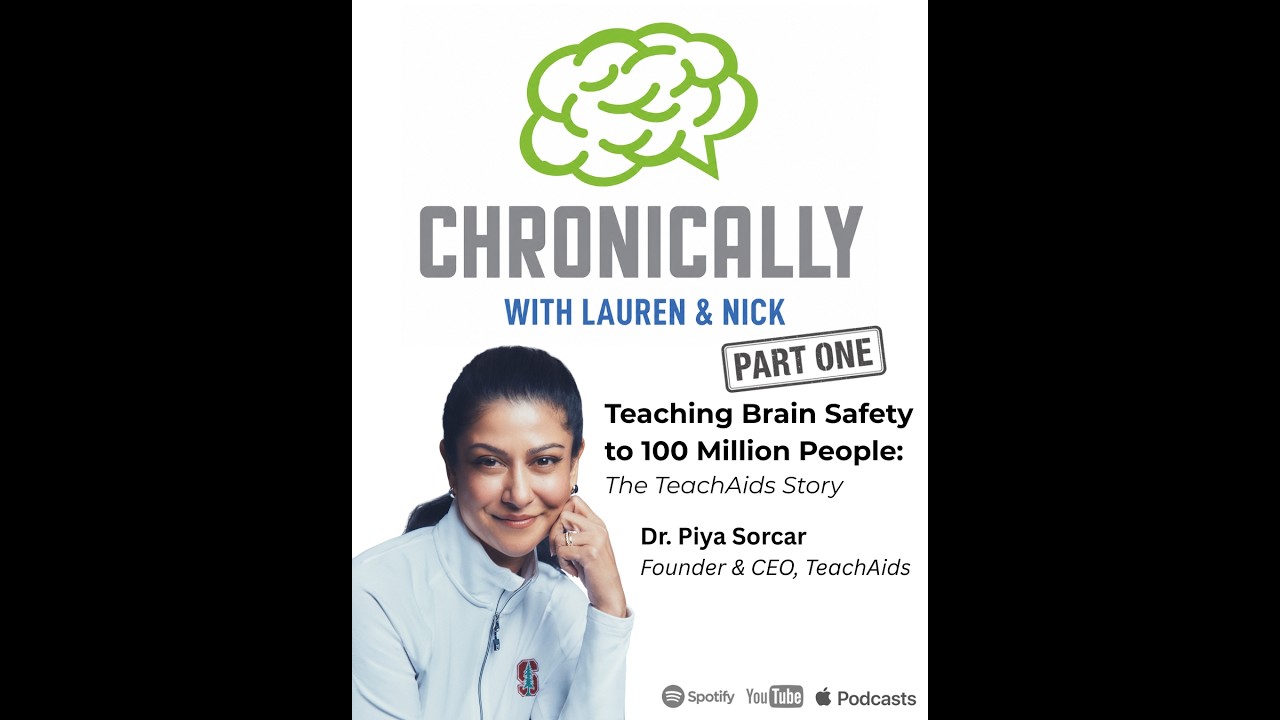
Reimagining how we teach athletes about brain trauma is essential for reducing the long-term impacts of sports-related concussions. By moving away from fear-based warnings and toward interactive, empathetic, and technologically driven simulations, we can foster safer athletic environments at every level of play. To dive deeper into how digital innovation is transforming neurological safety, Listen to the full episode and discover how free educational tools are making an impact globally.
Frequently Asked Questions
Do students need a VR headset to use TeachAids CrashCourse?
No. While virtual reality offers the most immersive experience, the educational modules are fully accessible in 2D formats via standard desktop computers, laptops, and mobile devices.
How do interactive concussion modules help reduce under-reporting?
By using realistic peer-to-peer scenarios and immersive storytelling, these programs help dismantle the stigma of reporting head injuries and teach athletes how to look out for their teammates safely.
Are these educational tools free for local sports leagues?
Yes, programs like TeachAids CrashCourse are provided completely free of charge to schools, universities, and youth athletic leagues worldwide.
How long does it take to complete a VR concussion education session?
Most interactive sessions are designed to be concise, typically taking between 10 to 15 minutes, making them easy to integrate into regular team meetings or pre-season orientations.