How to Use VR and Interactive Tech for Youth Concussion Education
Virtual reality and interactive technology are transforming how youth sports leagues approach concussion education. By moving away from traditional, fear-based warnings and utilizing peer-led, gamified immersive experiences, educators and coaches can significantly improve athlete engagement, safety protocol adherence, and symptom reporting transparency among young competitors.
Key Takeaways
- Traditional warning-based concussion talks often fail to resonate with young athletes, necessitating modern, tech-driven communication strategies.
- Virtual reality (VR) immersive experiences build empathy by placing players directly inside realistic injury scenarios.
- Peer messaging platforms help bridge the gap between coaching staff and athletes, encouraging honest symptom reporting.
- Free educational resources like TeachAids CrashCourse make advanced health communication tools accessible to unbudgeted community sports leagues.
- Interactive 2D and 3D digital media provide viable alternatives for programs lacking dedicated VR hardware infrastructure.
The Evolution of Youth Concussion Education
For decades, concussion education in youth and amateur sports relied heavily on punitive warnings, dry medical pamphlets, and generalized rule-book mandates. Coaches would tell players to avoid leading with their helmets or simply remind them of the long-term dangers associated with traumatic brain injuries. Unfortunately, this top-down approach rarely altered the behavior of a competitive adolescent eager to stay on the field. Young athletes often view rules as hurdles to clear rather than life-saving protocols, leading to widespread underreporting of symptoms.
Modern sports medicine research indicates that behavioral change requires a fundamental shift in how information is communicated. Instead of telling youth what not to do, effective educational frameworks now focus on building intrinsic understanding, teaching neurological literacy, and removing the social stigma associated with reporting a suspected head injury. Technology has emerged as the most powerful catalyst for this pedagogical evolution, allowing organizations to scale engaging content globally without sacrificing medical accuracy.
Shifting from Fear to Empathy
Fear-based messaging frequently backfires in youth sports. When athletes believe that reporting a headache means losing their starting spot or letting down their teammates, they hide their symptoms. Contemporary interactive education tackles this cultural barrier head-on by fostering empathy rather than instilling terror. By letting players experience the cognitive and physical ramifications of a concussion through simulated digital environments, educational platforms help teammates recognize symptoms in one another, shifting the locker room culture from concealment to mutual support.
Leveraging Virtual Reality for Immersive Learning
Virtual reality represents the gold standard for experiential health education. When an athlete straps on a VR headset, they are no longer a passive listener receiving a lecture; they are an active participant navigating a high-stakes athletic environment. This psychological immersion triggers deeper cognitive processing, ensuring that safety concepts are retained long after the headset is removed.
Programs like the TeachAids CrashCourse utilize this medium to simulate real-world impacts and their immediate aftermath. Players experience realistic scenarios where they must identify subtle signs of a concussion in a peer, evaluate the situation, and make the correct safety-first decision. This experiential learning builds muscle memory for decision-making under pressure, making it far more likely that an athlete will recognize and report a concussion during a real game.
Accessibility Through 2D and Video Platforms
While VR offers an unmatched level of immersion, budget constraints often prevent grassroots sports leagues from purchasing specialized hardware for every player. Fortunately, modern educational design bridges this gap by offering robust 2D, web-based, and YouTube-optimized versions of these interactive modules. Coaches can easily project these videos in a locker room setting or assign them as remote homework, ensuring that high-impact educational content remains accessible to every sports organization regardless of funding.
Implementing Peer Messaging in Local Sports Leagues
Technology alone is not enough; the messenger matters just as much as the medium. Young athletes are naturally skeptical of authority figures lecturing them on health and safety. To overcome this resistance, effective concussion curricula rely heavily on peer-to-peer communication models.
When educational content is delivered by athletes of a similar age, or features relatable characters navigating realistic social dilemmas, the message resonates much deeper. Peer messaging normalizes the conversation around brain health. It teaches players that taking time off to heal from a concussion is a sign of strength and team dedication rather than a weakness. Integrating these peer-led digital modules into pre-season team meetings creates a sustainable culture of safety that endures throughout the competitive calendar.
Conclusion
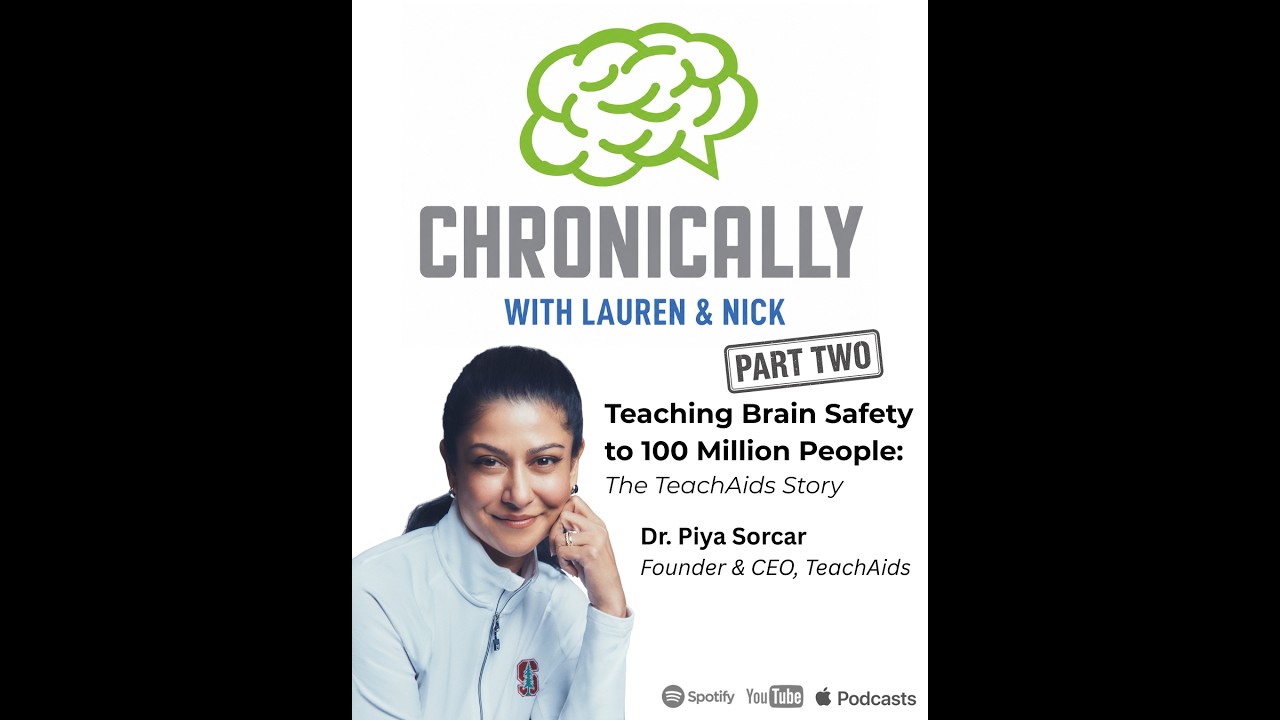
Transforming youth sports safety requires moving beyond outdated warning systems and embracing innovative, tech-driven educational tools. By utilizing immersive virtual reality, accessible 2D modules, and peer-led messaging frameworks, sports leagues can foster a culture where brain health is prioritized and concussions are reported without hesitation. To hear more about these revolutionary educational strategies and how they are changing the landscape of traumatic brain injury awareness, Listen to the full episode and discover practical tools you can implement in your own sports community today.
Frequently Asked Questions
Why do traditional concussion talks fail with young athletes?
Traditional lectures rely on fear-based warnings and rule memorization, which often prompt competitive athletes to hide their symptoms out of fear of losing playing time or letting down their team.
Do youth sports leagues need expensive VR equipment to use CrashCourse?
No. While VR headsets provide the most immersive experience, high-quality 2D and web-based educational versions are freely available and optimized for standard screens, tablets, and YouTube viewing.
How does peer messaging improve concussion reporting rates?
Peer messaging uses relatable characters and near-age role models to normalize brain health conversations, helping to dismantle the locker room stigma associated with reporting head injuries.
Are these modern concussion education resources free for community leagues?
Yes, comprehensive educational materials, including interactive modules and curriculum guides provided by TeachAids, are entirely free for schools, leagues, and organizations worldwide.